How Does Rice Miller Machine Work?
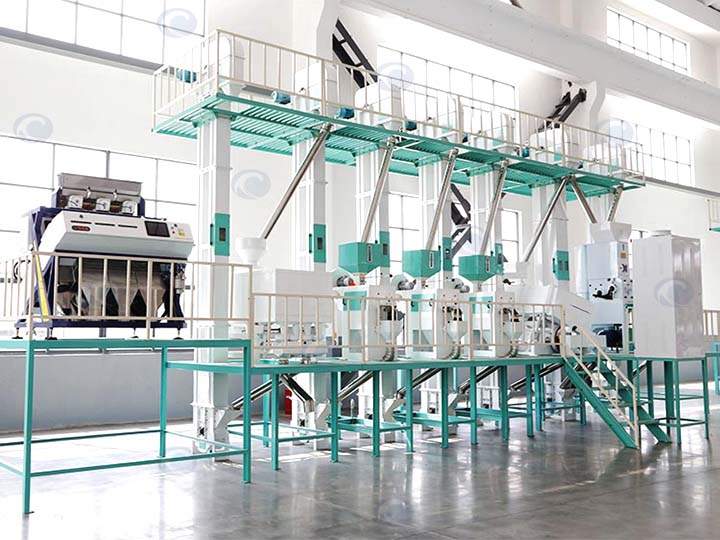
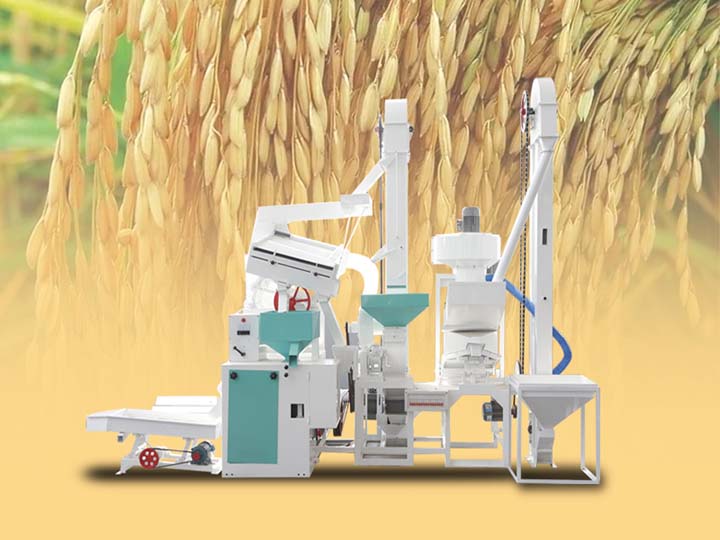
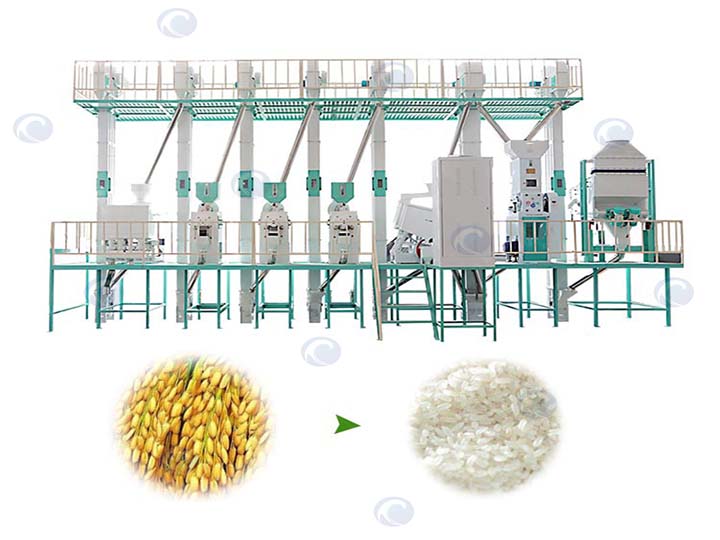
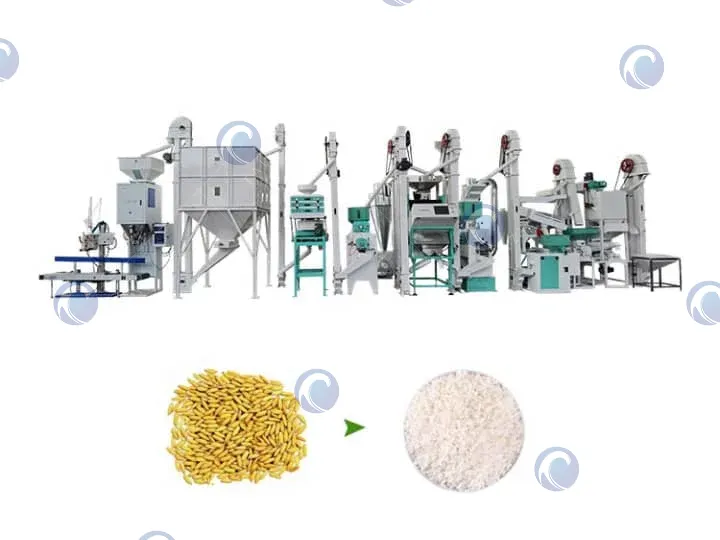
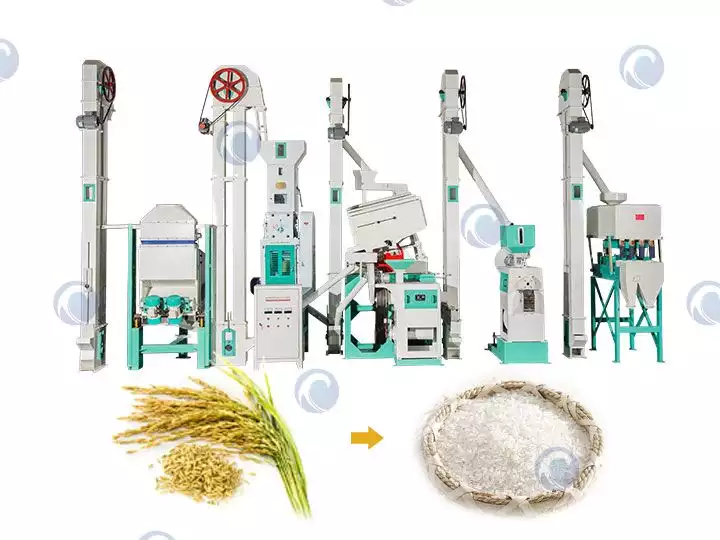
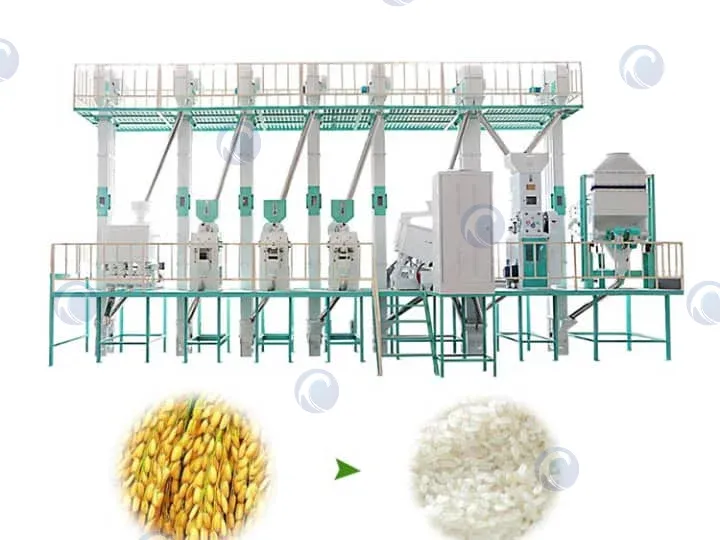
UN rice miller machine converts harvested paddy rice into clean, edible white rice through several processing stages. Modern rice milling equipment improves milling efficiency, reduces grain breakage, and produces high-quality rice for commercial sale.
In this guide, we’ll explain the complete rice milling process step by step and show how each stage contributes to producing premium-quality rice.
Step 1: Paddy Cleaning
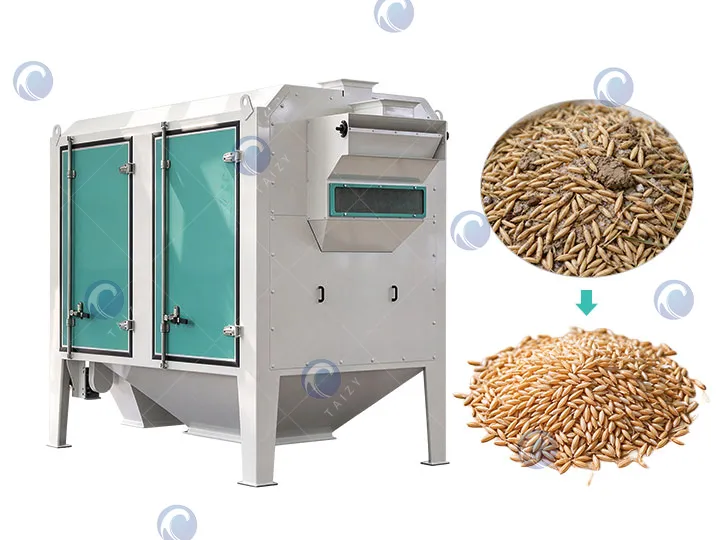
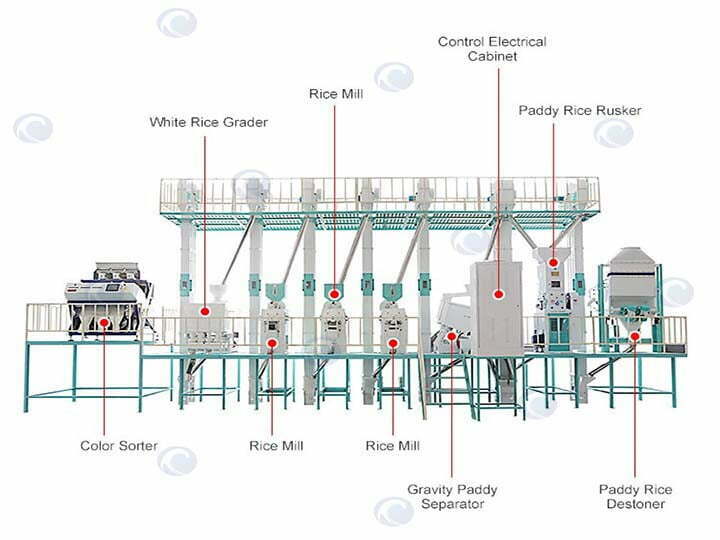
The rice miller machine begins with cleaning the harvested paddy rice. Fresh paddy often contains impurities such as straw, dust, leaves, sand, and other foreign materials collected during harvesting and transportation.
The cleaning machine removes these impurities through vibrating screens and air separation, ensuring only clean paddy enters the next processing stage. Proper cleaning not only improves rice quality but also protects downstream equipment from unnecessary wear.
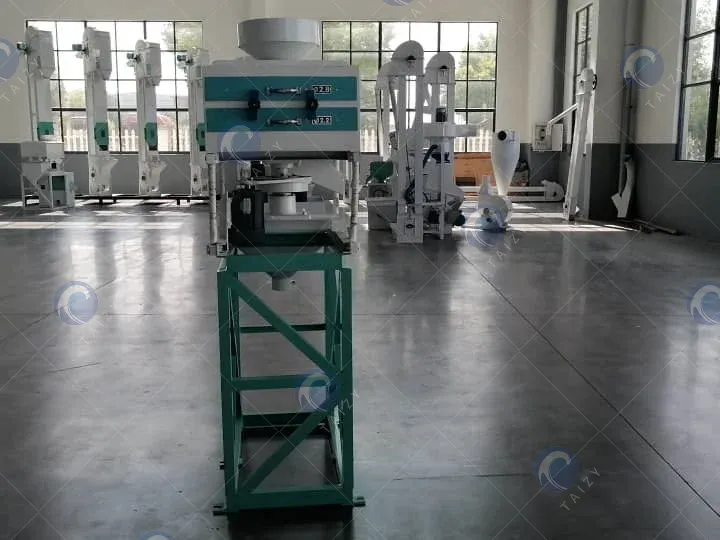
Step 2: Stone Removing
Even after cleaning, small stones may remain mixed with the paddy. Before husking, the Rice Miller Machine passes the cleaned paddy through a destoner. A rice destoner separates stones based on the difference in density between stones and rice grains.
Removing stones prevents damage to rubber rollers, whitening chambers, and other components while ensuring safer and higher-quality rice production.
Step 3: Paddy Husking
Next, the Rice Miller Machine removes the outer husk using rubber rollers. The clean paddy enters the husking machine. Rubber rollers gently remove the outer husk while minimizing damage to the rice kernel.
After husking, the material consists of:
- riz brun
- Rice husks
- Unhulled paddy
A suction system immediately removes the lightweight husks for collection or recycling.
Step 4: Paddy Separating
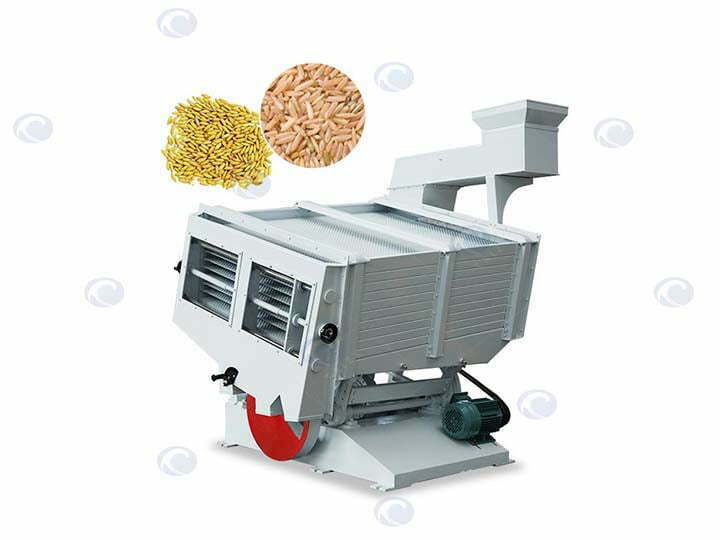
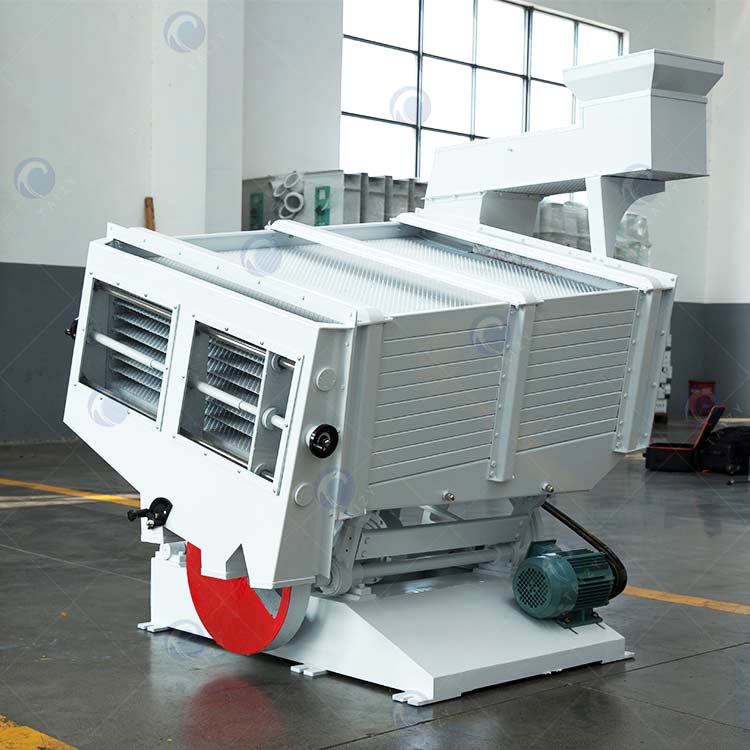
Not every grain is completely dehulled in one pass. The séparateur de paddy separates brown rice from unhulled paddy.
The brown rice moves to the whitening process, while the remaining paddy is automatically returned to the husker for reprocessing. This recycling process increases the overall milling efficiency and improves rice yield.
This is the fourth step of the rice miller machine’s operation.
Step 5: Rice Whitening
During whitening, the bran layer surrounding the brown rice is gradually removed through friction and abrasion.
A modern rice milling machine carefully controls pressure to produce bright white rice while minimizing broken kernels. This step has a significant impact on the appearance and market value of the finished product.
Step 6: Rice Grading
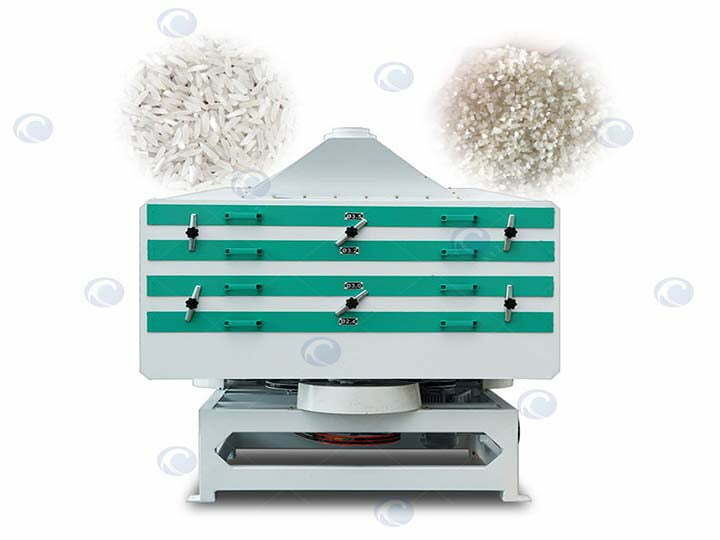
After whitening, the rice is graded according to kernel size.
Le niveleuse de riz machine separates:
- Head rice
- Gros riz brisé
- Petit riz brisé
This classification allows different rice grades to meet various market demands and improves product consistency.
Step 7: Water Polishing
To enhance the appearance of the finished product, the rice miller machine uses a water polishing system.
A small amount of water is sprayed onto the rice while the polishing chamber creates gentle friction. This process smooths the rice surface, removes fine bran powder, and gives the grains a brighter, shinier finish.
Benefits of water polishing include:
- Better appearance
- Higher commercial value
- Reduced surface cracks
- Improved storage quality
Step 8: Color Sorting
The polished rice then passes through a color sorter.
Using high-speed cameras and intelligent sensors, the machine detects and removes defective grains, including:
- Discolored rice
- Immature grains
- Damaged kernels
- Foreign materials
This is the eighth step in the operation of the rice miller machine.This automated sorting process greatly improves the quality and uniformity of the finished rice.
Step 9: Rice Packaging
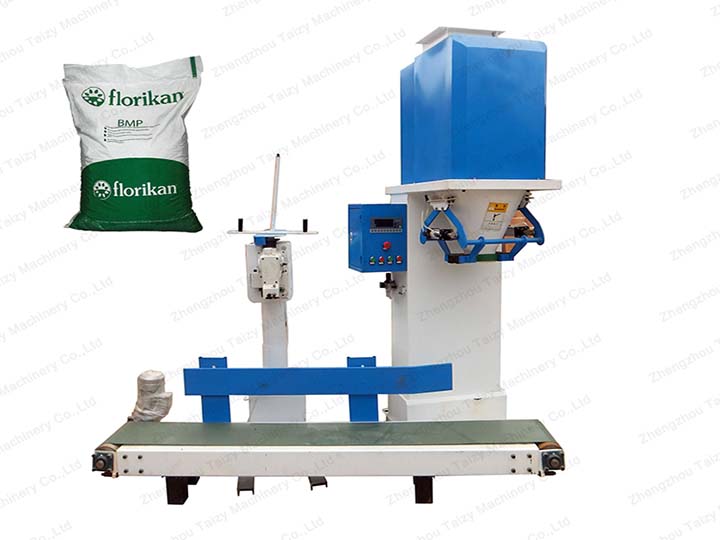
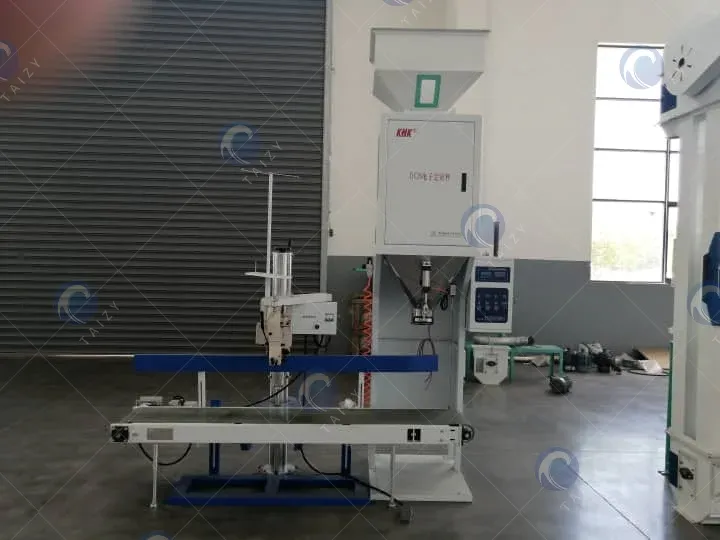
The final stage is automatic weighing and packaging.
The finished rice is accurately weighed and packed into bags of different sizes according to customer requirements. Automatic machine d'emballage de riz improves production efficiency, reduces labor costs, and ensures consistent package weight for transportation and retail.
Conclusion
Understanding how a rice miller machine works helps you choose the right equipment for your business. From paddy cleaning, stone removing, husking, separating, whitening, grading, water polishing, tri des couleurs, to emballage de riz, every step contributes to producing clean, uniform, and high-quality white rice.
If you’re planning to invest in a complete rice milling line, selecting reliable equipment with the right configuration will improve production efficiency, maximize rice yield, and deliver consistent product quality for the market.