
Why Is the Broken Rice Rate High? 6 Factors to Check in a Rice Mill Production Line
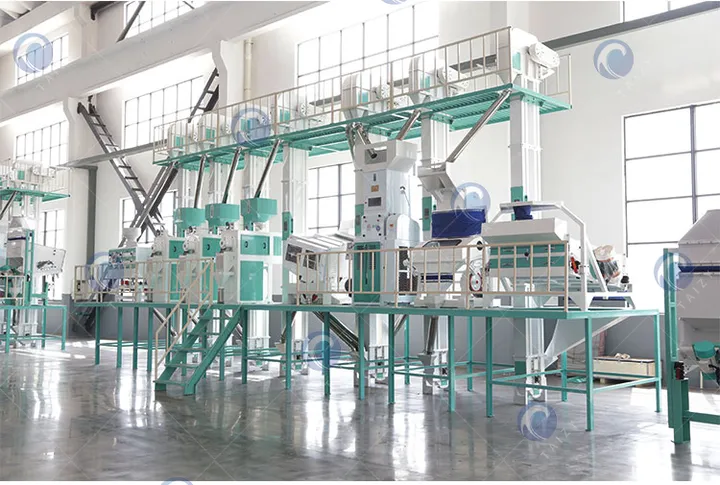
A high broken rice rate in a rice mill production line can reduce the commercial value of milled rice and affect the profitability of a rice processing plant. For large-scale rice mills, broken grains may result from several stages of processing, including drying, dehusking, whitening, polishing, and conveying. Identifying the source of breakage is essential before adjusting equipment or upgrading a rice milling plant.
Here are six key factors rice mill operators should check when the broken rice rate increases.
1. Uneven Moisture Content in Paddy Rice
Moisture content affects rice kernel strength. Improper drying, uneven moisture distribution, or unsuitable storage conditions can cause internal cracks, making rice kernels more vulnerable to breakage during milling.
Even when the rice mill production line operates normally, rice with pre-existing cracks may break during husking, whitening, polishing, or conveying.
How to improve it:
- Monitor moisture content before milling.
- Maintain consistent drying conditions.
- Check incoming rice quality before processing.
2. Excessive Pressure During Rice Whitening and Polishing
Rice whitening removes bran layers, while polishing improves the surface appearance of milled rice. Excessive pressure or unsuitable settings may increase mechanical stress and the risk of grain breakage.
How to improve it:
- Check the operating settings of the whitener and polisher.
- Adjust feed rate and processing intensity to suit the rice variety.
- Check grain integrity alongside polishing quality.
3. Poor Capacity Matching Between Machines
А rice mill production line includes equipment such as huskers, whiteners, polishers, graders, and conveyors. If their processing capacities are poorly matched, material may accumulate or feed unevenly, affecting production stability.
How to improve it:
- Match the capacity of connected machines.
- Check for uneven feeding or material accumulation.
- Ensure the rice polisher can handle the required throughput.
4. Excessive Impact During Rice Conveying
Elevators, conveyors, transfer chutes, and discharge points can expose rice kernels to repeated impacts. Unsuitable drop heights or transfer conditions may contribute to additional breakage.
How to improve it:
- Inspect transfer points between machines.
- Reduce unnecessary drop heights.
- Check rice samples before and after conveying.
5. Unsuitable Rice Polishing Machine Settings in Rice Mill Production Line
Different rice varieties and incoming grain conditions may require different polishing settings. Feed rate, rotor speed, processing intensity, and water application, where applicable, can affect the final result.
How to improve it:
- Follow the manufacturer’s operating recommendations.
- Adjust settings according to the rice variety and condition.
- Test samples and compare the broken rice rate before and after polishing.

6. Poor Coordination Across the Entire Rice Milling Process
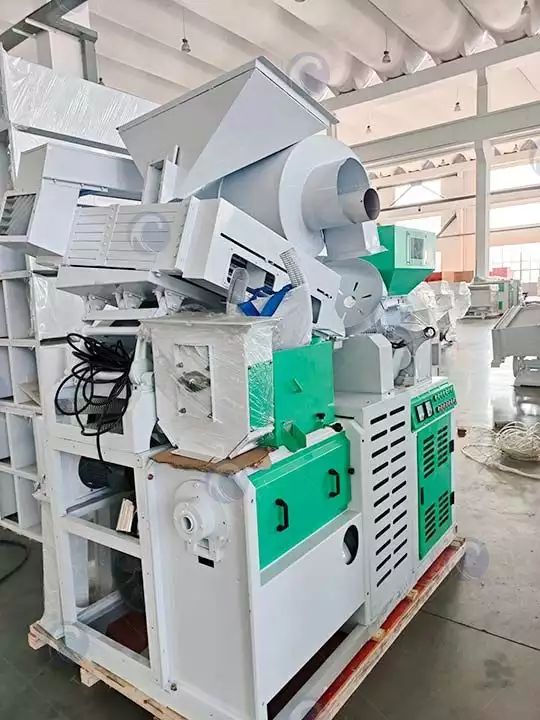
Breakage may accumulate across several stages, from drying and husking to whitening, polishing, grading, and conveying. Replacing the polishing machine without identifying the source of breakage may not solve the problem.
How to improve it:
- Collect samples at different processing stages.
- Identify where the broken rice rate increases.
- Adjust the relevant equipment or process based on the results.
Improve Your Rice Milling Process with the Right Equipment
For large-scale rice mills, a properly selected rice polishing machine and a well-coordinated rice mill production line can help maintain consistent processing results.
Looking for a suitable rice polishing machine or a complete rice milling solution? Contact our team with your target capacity, rice variety, current broken rice rate, and existing equipment configuration to discuss a suitable solution for your production needs.