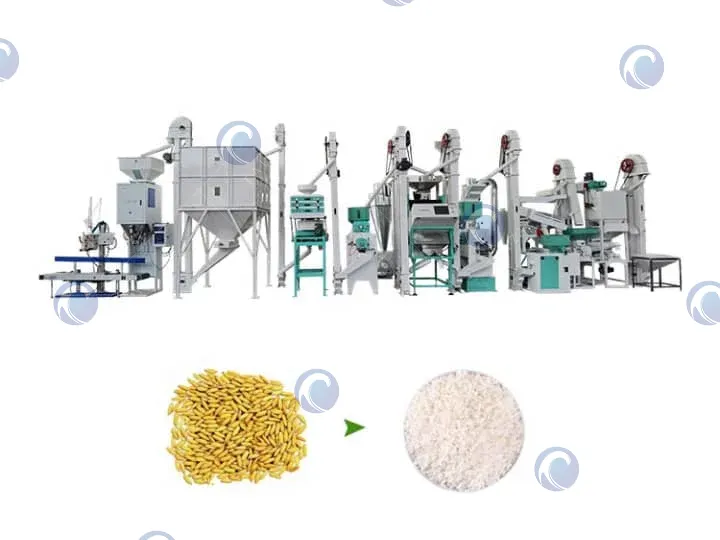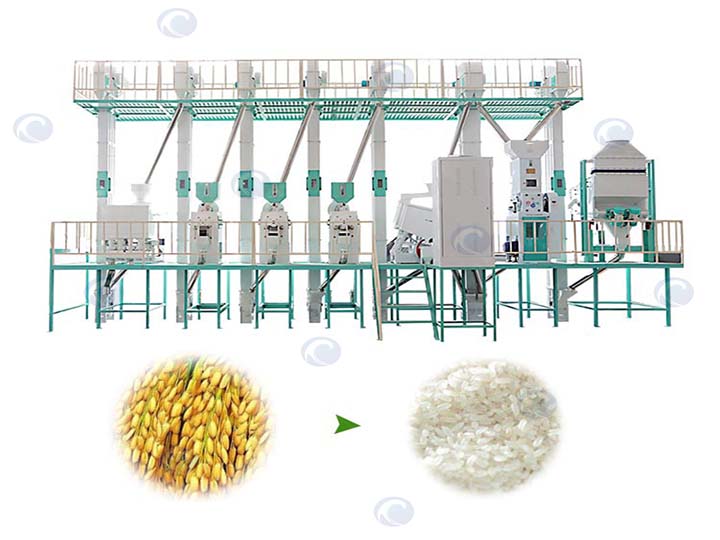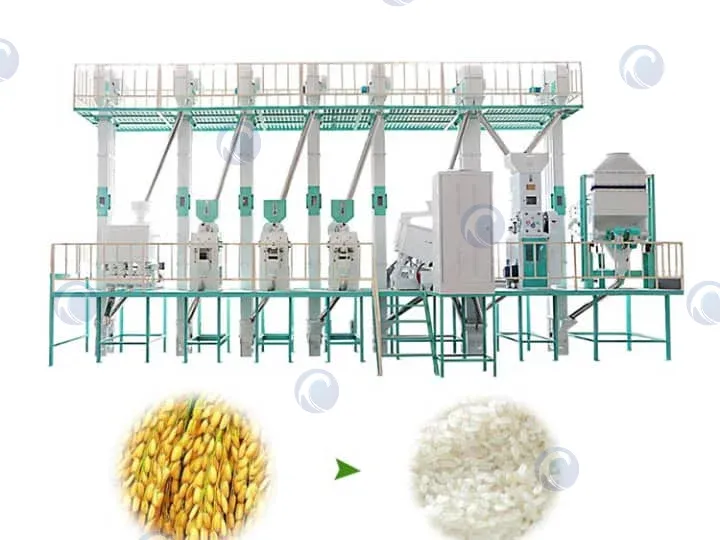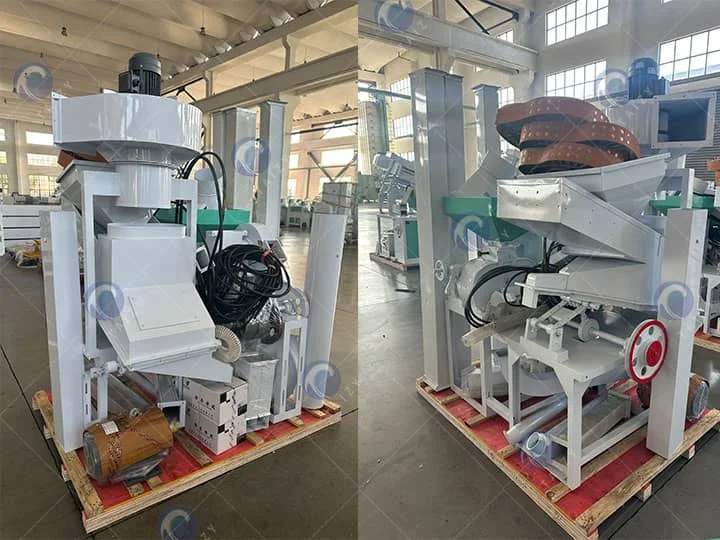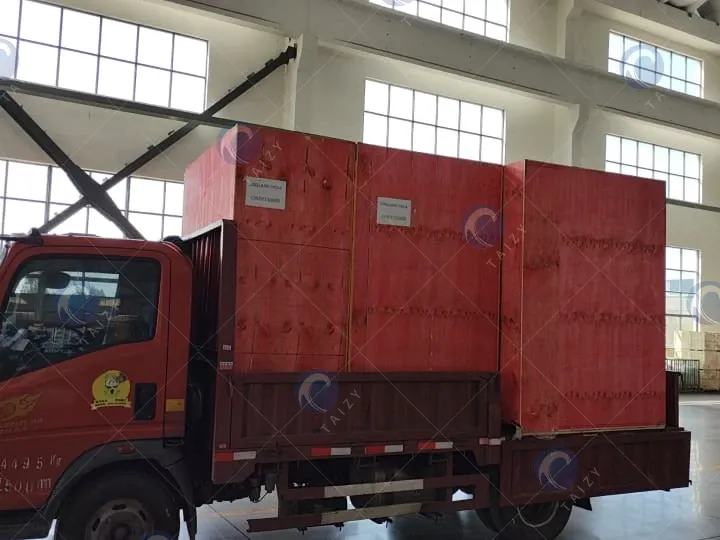
¿Qué es una máquina de procesamiento de arroz?
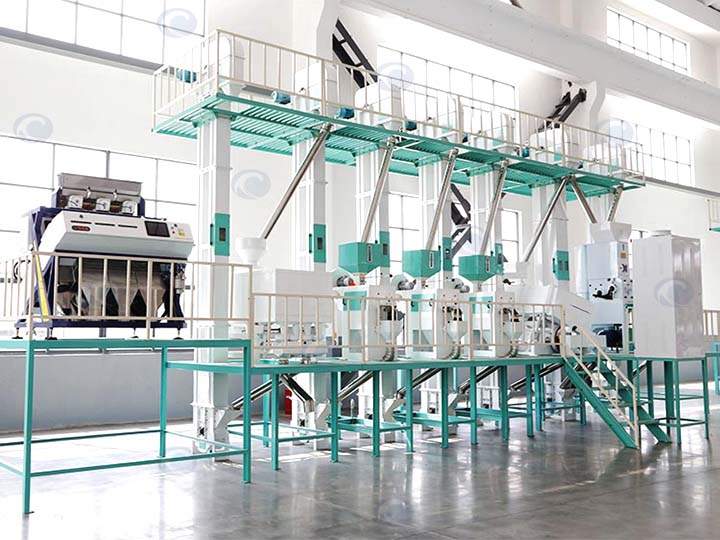
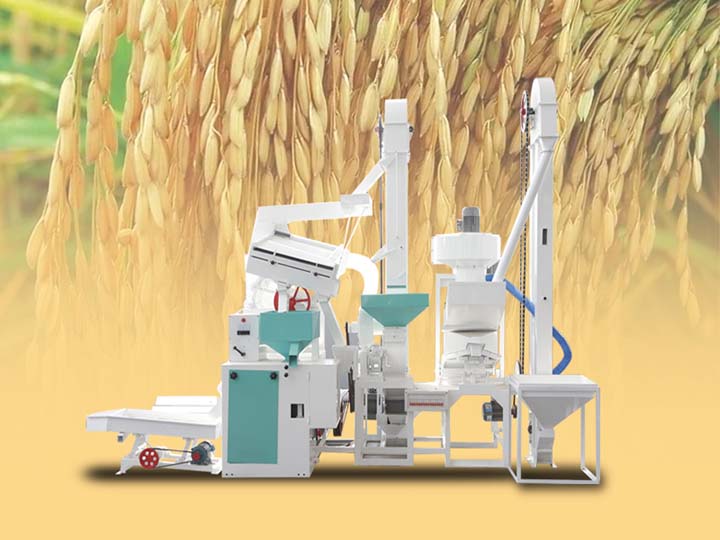
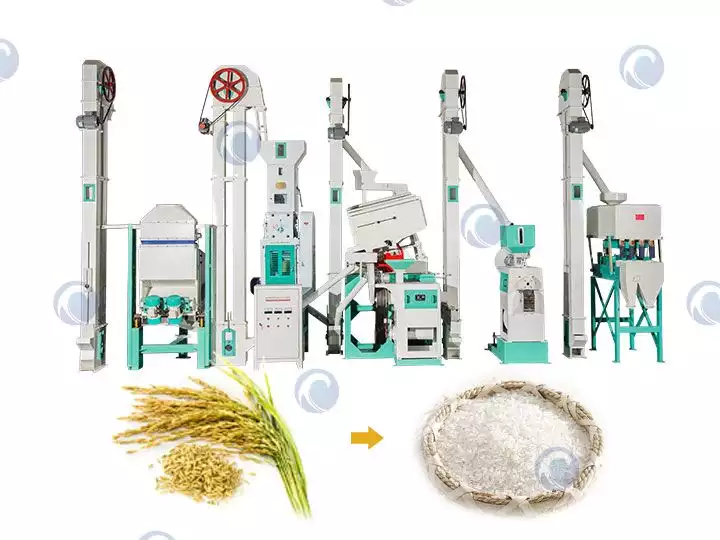
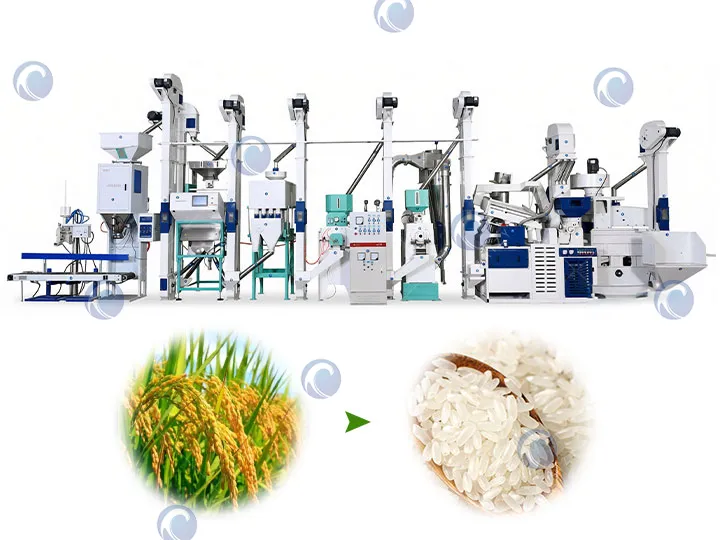
Las máquinas de procesamiento de arroz están diseñadas para transformar el arroz integral cosechado en arroz comestible mediante una serie de pasos mecánicos, como molienda, tamizado y pulido. Mejoran eficazmente la eficiencia del procesamiento de arroz, reducen los costos laborales y garantizan una calidad constante del arroz.
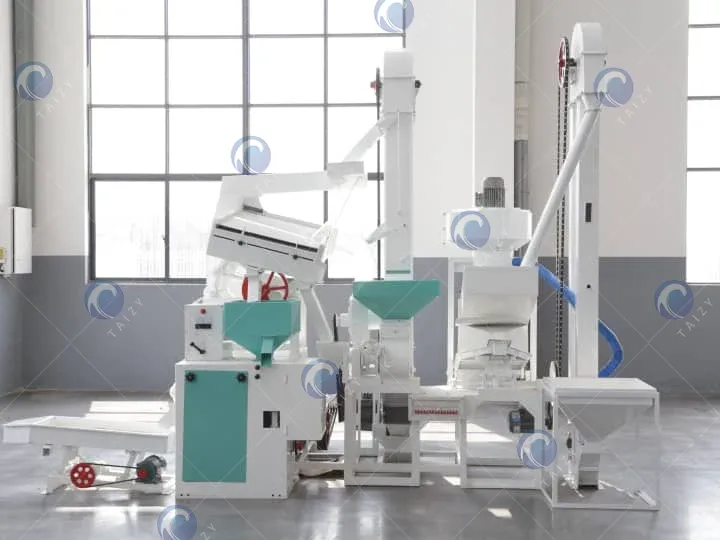
¿Por qué usar una máquina de descascarado de arroz para procesar arroz paddy?
- Las máquinas de descascarado de arroz pueden realizar continuamente procesos como el descascarado, la separación y el pulido, acortando significativamente el tiempo de procesamiento. Por lo tanto, es especialmente adecuado para procesar grandes cantidades de arroz paddy, que satisface las necesidades de producción comercial y a gran escala.
- En comparación con los métodos manuales, el molido con máquina permite un control más preciso de la presión y la intensidad de la fricción, resultando en granos de arroz que no solo son uniformes en forma y tienen una baja tasa de rotura, sino que también tienen una apariencia más limpia y un color más uniforme.
- Toda la máquina de procesamiento de arroz está en entornos cerrados o semi cerrados, lo que puede minimizar la contaminación inducida por humanos y reducir el riesgo de introducir impurezas para cumplir con los estándares modernos de procesamiento de alimentos.
- Además, el uso de máquinas de descascarado de arroz reduce significativamente la mano de obra. Una línea de producción puede reducir los costos laborales en al menos un 40% y disminuir los gastos laborales a largo plazo, lo cual es especialmente beneficioso en regiones con costos laborales en aumento.

Principio de funcionamiento de una máquina de procesamiento de arroz
Las máquinas de procesamiento de arroz separan los granos de arroz de las cáscaras y las capas de salvado mediante fuerza mecánica y fricción, y luego refinan el arroz para optimizar su calidad y textura. El principio básico de funcionamiento generalmente implica las siguientes etapas:
- El arroz paddy crudo pasa primero por un sistema de limpieza para eliminar impurezas como piedras, polvo, paja y partículas metálicas. Este paso no solo proporciona una clasificación inicial de calidad, sino que también previene eficazmente el desgaste severo de la máquina.
- El descascarado es el paso más básico, donde la máquina aplica presión o fricción para eliminar la cáscara exterior, transformando el arroz paddy en arroz integral.
- Después del descascarado, la mezcla resultante de cáscaras y arroz integral debe separarse mediante un sistema de flujo de aire o gravedad.
- También hay algunos pasos opcionales, como el molido y el pulido, que mejoran la textura y refinan aún más el arroz integral eliminando la capa de salvado para producir arroz blanco.
- Si el presupuesto lo permite y se requieren productos terminados de alta calidad, un clasificador de colores también es una buena opción. Puede separar el producto terminado según el color, eliminando granos dañados o de baja calidad para garantizar una calidad constante del producto.
Cada paso está diseñado para minimizar la rotura de granos y maximizar el rendimiento y la calidad.
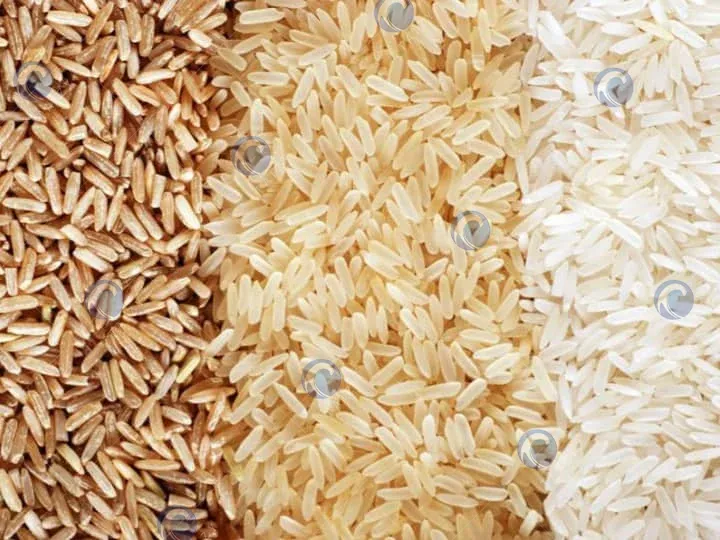
Aplicaciones de la máquina de molienda de arroz paddy
Con el crecimiento continuo en el consumo mundial de arroz, las máquinas de molienda de arroz se han utilizado ampliamente en sistemas de procesamiento de arroz de diferentes escalas y regiones, convirtiéndose en un equipo crucial que conecta la producción agrícola con el mercado alimentario.
En muchos países en desarrollo y regiones agrícolas, el uso de máquinas de descascarado de arroz puede ayudar a los agricultores a procesar el arroz paddy localmente, reduciendo los costos de transporte. Además, transformar el arroz paddy en arroz molido aumenta su valor añadido y aumenta directamente las ganancias agrícolas.
En molinos de arroz a gran escala y operados comercialmente, generalmente sirve como el equipo principal de procesamiento, utilizado para el procesamiento continuo de grandes cantidades de arroz paddy para satisfacer las demandas de producción de arroz de marca y estandarizada.
Actualmente, en Asia, África y Sudamérica, muchas cooperativas agrícolas y proyectos apoyados por el gobierno están introduciendo máquinas de procesamiento de arroz para mejorar la autosuficiencia alimentaria local, aumentar el valor añadido de las exportaciones agrícolas y, por lo tanto, mejorar la infraestructura de procesamiento de arroz.
Conclusión
Comprender el proceso de trabajo y la función de las máquinas de procesamiento de arroz puede ayudar en gran medida a quienes no están familiarizados con la maquinaria agrícola a tomar decisiones de inversión informadas. Incluye determinar si una máquina es adecuada para sus necesidades de producción, si realmente necesitan un molino de arroz y qué equipo específico se requiere.
Taizy se compromete a contribuir al desarrollo agrícola global, proporcionando maquinaria de alta calidad y un excelente servicio a agricultores y empresas que lo necesiten. Si tiene alguna pregunta sobre nuestras máquinas, no dude en contactarnos para la última lista de precios.
Para obtener información detallada sobre el producto de la unidad de descascarado de arroz, consulte aquí: